







Search Results for: Coffee machine building blocks
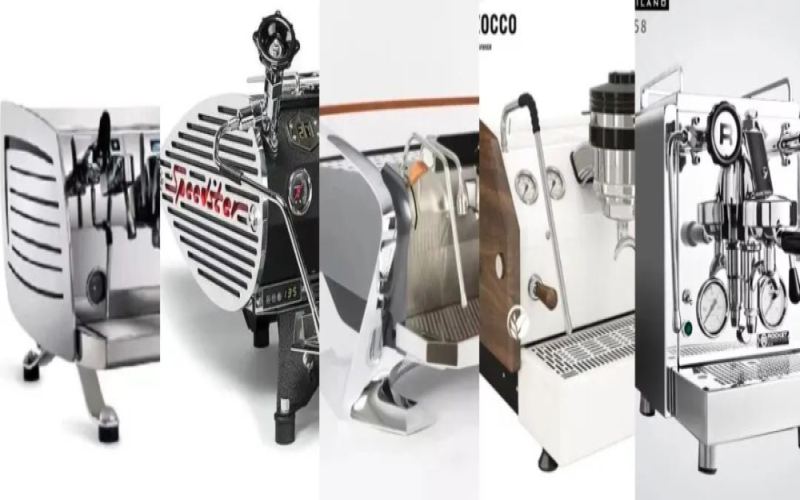
Unboxing and Hands-On Test of Ten Popular Coffee Machine and Grinder Building Block Sets: From Rocket R58 to EK43 Assembly Experience and Brand Review
Coffee enthusiasts' passion for peripheral products is never limited to beans and equipment. This time, we got our hands on ten popular coffee machine and grinder building block models available on the market all at once, covering five series: Late Autumn in Sicily, Midsummer Green, Roman Holiday, Twilight Venice, and Early Spring in Milan, and it took us a week to complete the assembly. From basic models to patience-testing ones, the number of pieces, color schemes, and fidelity to the original machines vary. The article will introduce one by one the real coffee equipment parameters corresponding to each building block set, including Rocket R58, EK43, Slayer Steam EP, Mythos One, La Marzocco GS3, Ultra, Victoria Arduino VA388, LWW EG-1, Kees Speedster, and Mazzer Super Jolly, while also sharing the actual performance of domestic building blocks in terms of fit and structural support. If you also like coffee peripherals, why not take a look at these interesting little items together. [more…]
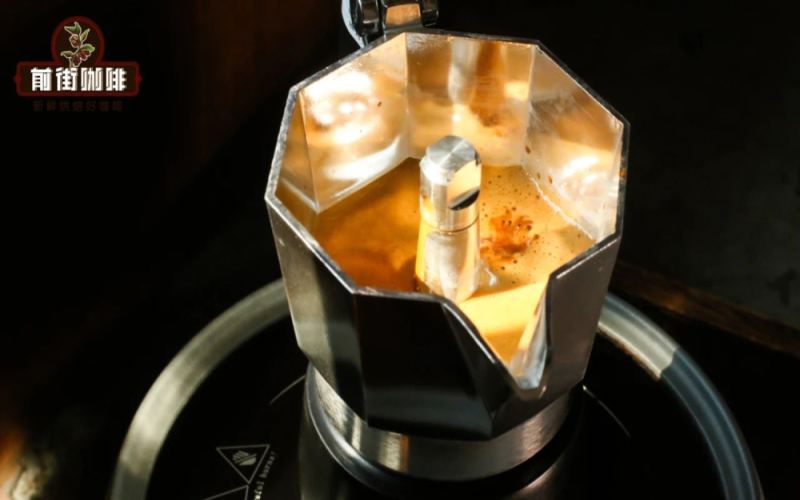
Analysis of Concentration Differences Between Moka Pot and Espresso Machine, and the Standard Moka Pot Brewing Process
Many coffee enthusiasts wonder: between a moka pot and an espresso machine, which one actually brews a stronger cup? Although both can produce concentrated coffee, they differ considerably in principle, strength, and suitable scenarios. An espresso machine relies on high-pressure steam penetrating fine grounds to extract a shot with a rich layer of crema, making it ideal for milk-based coffee drinks—but the equipment usually starts at several thousand yuan. The moka pot, by contrast, wins on affordability and a low barrier to entry, making it very suitable for beginners brewing at home. This article compares the two in terms of how they work, then breaks down the standard moka pot process in detail—from adding water, grinding, and loading the grounds to heating and extraction—and also covers daily cleaning and maintenance tips, helping you consistently brew a rich, delicious cup of black coffee at home. [more…]
Moka Pot Coffee Grind Size | What are the pros and cons of brewing coffee with a Bialetti double-valve moka pot? Which coffee beans are suitable for moka pot brewing?
Believe that for Moka pot enthusiasts, the terms "dual-valve" and "single-valve" are certainly familiar. However, for beginners, to use a Moka pot to brew delicious coffee, it is still necessary to learn a bit first. Which is better, a single-valve or dual-valve Moka pot? Nowadays on shopping platforms, there are countless choices when you want to buy a Moka pot. [more…]

Exploring the Origins of Ethiopia's Gesha Village Estate: Did the Geisha Variety Originate in This Primitive Forest?
Geisha coffee is now popular all over the world, but where exactly are its roots? Gesha Village Coffee Estate in Ethiopia was co-founded by American documentary director Adam Overton and Ethiopian photographer Rachel Samuel, with the assistance of Dutch coffee professional Willem Boot, and in the Bench Maji region they found the original forest that shares the same origin as Panamanian Geisha. The estate grows only the Geisha variety and has established a strict grading system of Auction, Gold, Red, Green, and CHAKA. This article will provide a complete overview of the origins of Gesha Village Coffee Estate, its variety composition, plot divisions, and the characteristics of each grade, and will also share the cupping flavors and brewing suggestions of several Geisha coffees from Front Street Coffee. [more…]
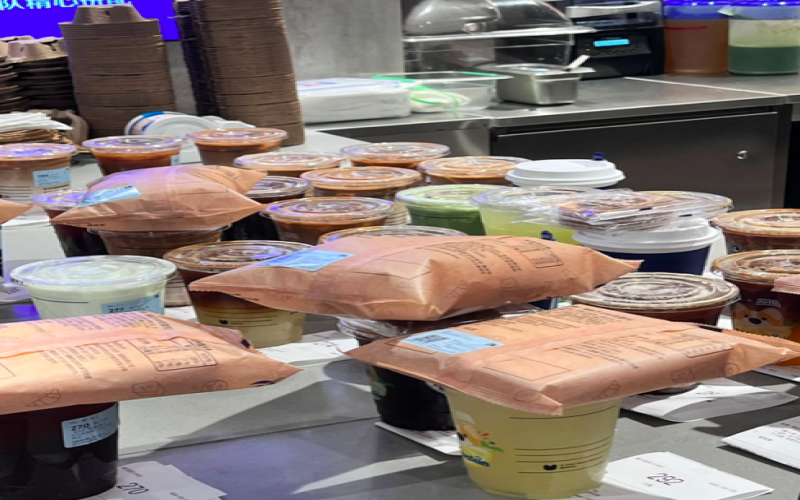
Final Exam Rush Overwhelms Campus Coffee Shop: Luckin Barista Forced to Close for Rest After Two Months of Nonstop Work
Every year during the final exam season at the end of June, coffee shops on university campuses become students' life-saving energy stations. Campus stores of Luckin, Cotti, and others see orders surge, with pickup areas piled high with drinks, and waiting for a cup of coffee often taking nearly an hour. However, a Luckin near a university was unexpectedly empty at noon, with its pickup window blocked and a closure notice posted—staff who had not had a proper rest for two consecutive months simply could not withstand the order pressure of exam week. A Gu Ming milk tea shop on the same campus also temporarily closed. Behind this campus coffee order explosion is both students' preference for value-for-money brands and the revealed dilemma of store staffing. [more…]
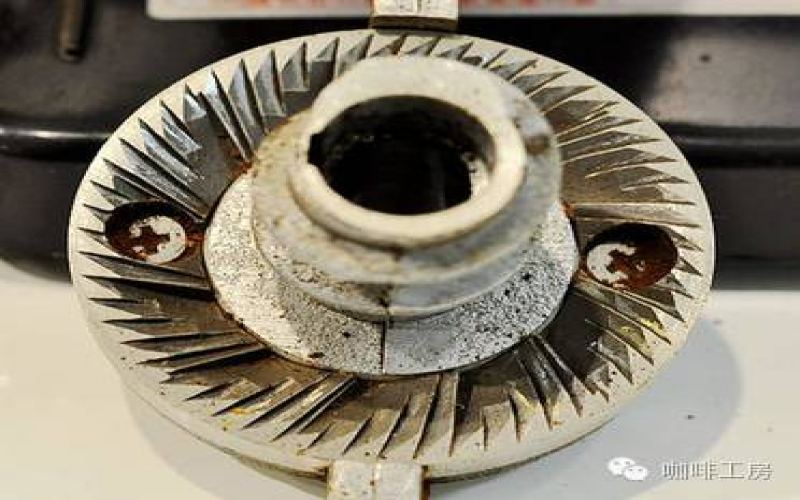
Coffee Grinder Buying Guide: How to Choose Between Flat Burrs, Conical Burrs, and Ghost Teeth, Plus a Full Analysis of Common Models' Grind Settings and Extraction
Faced with the dazzling array of coffee grinders on the market, many coffee enthusiasts find themselves paralyzed by choice. In truth, the coffee world has never had a single standard—different burr sets each have their strengths and weaknesses. Starting from burr types, this article takes a deep dive into the structural differences between flat burrs, conical burrs, and ghost-tooth burrs, along with their real-world impact on particle shape, extraction results, and final flavor. It also includes practical grind-setting parameters for commonly used models such as the Fuji Royal, Feiying, and Zheng Huang Hang, helping you find a grinding approach that suits your brewing method and taste preferences. [more…]
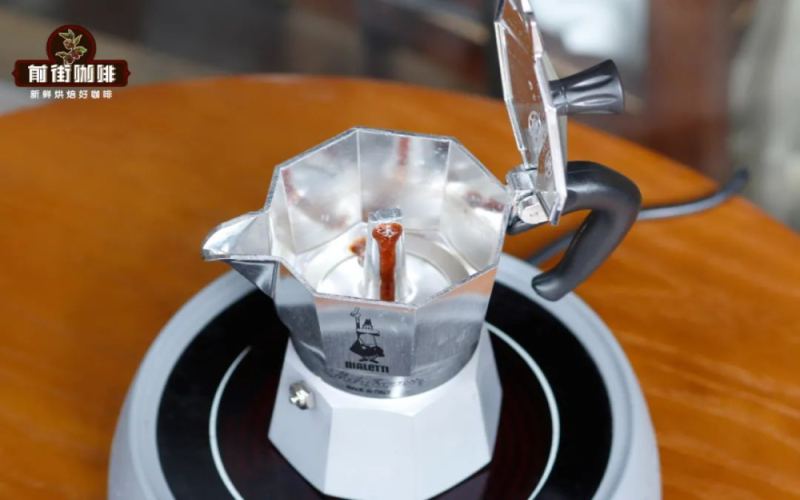
Does coffee brewed with a moka pot taste good? Extraction principles explained and a guide to choosing Front Street single-origin coffee beans
With its simple operation and portable design, the moka pot has become the go-to brewing tool for many coffee beginners. But does coffee made with a moka pot actually taste good? How does it differ from an espresso machine? And how can you brew a rich, intense cup topped with crema? This article starts with the extraction principles of the moka pot, walks through the key details of operation one by one, and compiles a must-buy list of Front Street single-origin coffee beans suited to the moka pot. Finally, it includes a complete brewing demonstration using a Bialetti three-cup moka pot, helping you easily make a mellow, delicious cup at home. [more…]
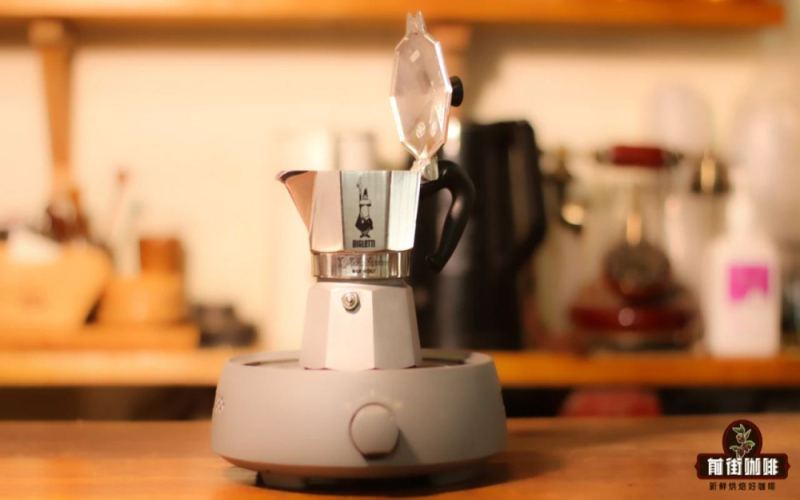
Siphon, Moka Pot, and American Drip Coffee Maker: Flavor Differences and Key Operating Points of Three Brewing Devices
For many coffee enthusiasts, their first brewing device is often a moka pot—it's aesthetically pleasing, affordable, and easy to use. But some people prefer the lab-like ritual of a siphon brewer, or rely on the ever-present home drip coffee maker. What exactly are the differences between these three devices? And how big is the gap in the flavor of the coffee they brew? Front Street Coffee will analyze them one by one, from principles and construction to operation procedures and flavor performance, and include detailed brewing steps for the moka pot and siphon brewer to help you find the cup that suits you best. [more…]

How long does it take to brew coffee with a moka pot? A detailed explanation from principles to operation of extraction time and techniques
The moka pot, with its simple structure and pressure-enhanced extraction, can make a rich, crema-laden cup of coffee at home. But how long does it actually take to brew coffee with a moka pot? There is no fixed number of seconds—the key lies in heat control and observing the flow of the brew. Starting from the Bialetti 3-cup moka pot used at Front Street Coffee stores, this article explains in detail every step: adding water to the bottom chamber, choosing the grind size, filling the filter basket, and operating the heat, while outlining an extraction rhythm of about 3 to 4 minutes. It also shares safety precautions for daily use, cleaning and maintenance methods, and why medium-dark roasted espresso blend beans are better suited to the moka pot. [more…]
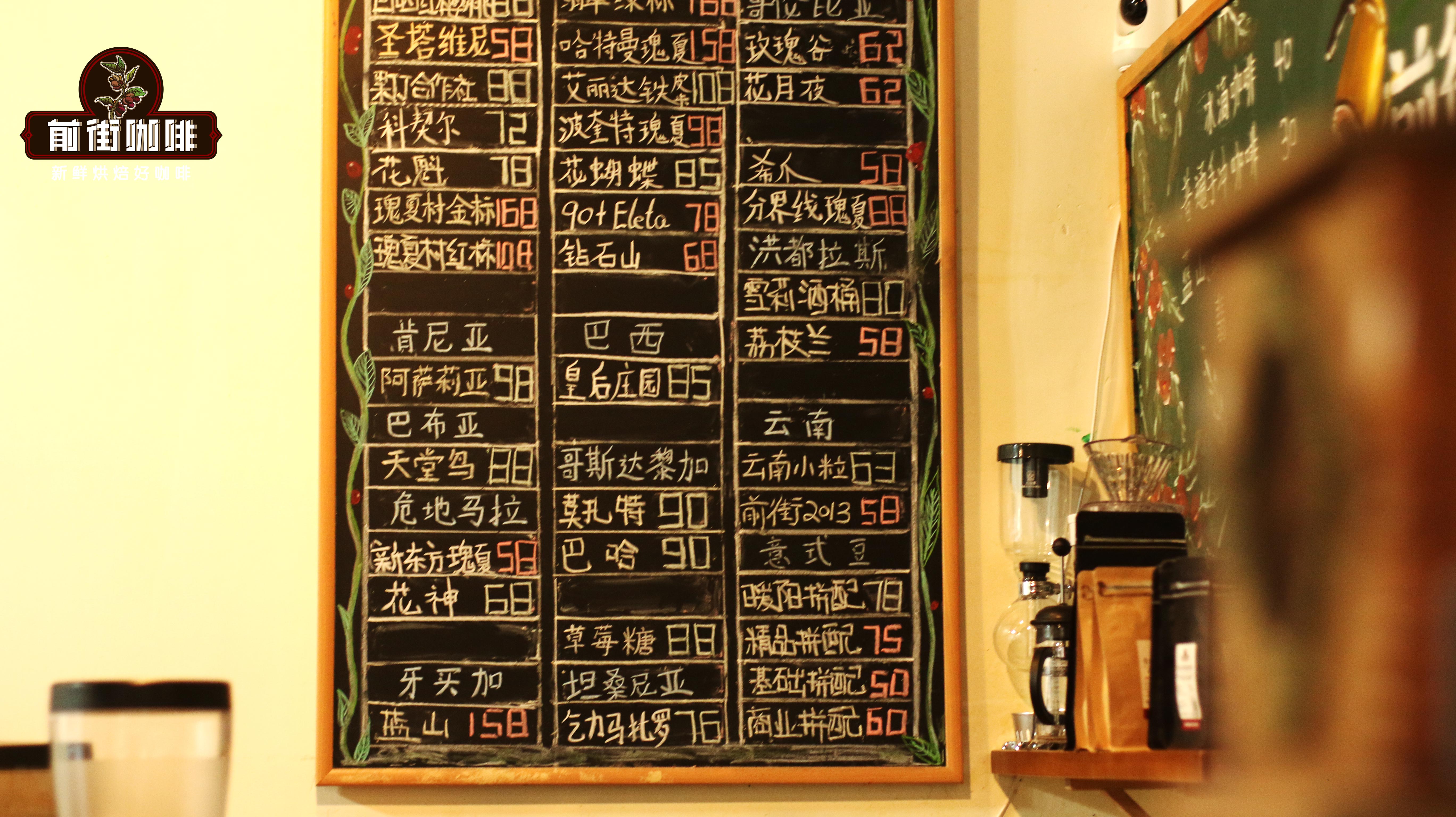
African Coffee Origins Illustrated Guide: From Ethiopia to Tanzania, Exploring the Flavor Code of Floral Aromas and Fruity Acidity
As the continent where coffee originated, Africa is home to the world's most distinctive coffee flavors. From the citrus and floral notes of Ethiopia to the vivid berry and tomato characteristics of Kenya, and on to the unique regional expressions of Burundi, Rwanda, and Tanzania, African coffee has won over countless coffee lovers with its lively, bright fruit acidity and intense aromas. Front Street Coffee has long been deeply involved in African growing regions. This article will systematically review the regional characteristics, variety systems, processing methods, and flavor trends of Africa's major coffee-producing countries, and introduce Front Street's currently available African specialty coffee beans one by one, helping coffee enthusiasts build a complete framework for understanding African coffee. [more…]
The Complete Moka Pot Guide: From How It Works to Brewing Steps, Pros and Cons, and Bean Selection Tips All in One Place
The moka pot is one of the first pieces of equipment many coffee enthusiasts encounter when getting started. It has a simple structure and an affordable price, yet it can brew a coffee liquid with a concentration close to that of espresso. This article will begin with the moka pot's three-part construction and working principle, compare the differences between single-valve and double-valve models, analyze how it differs from a standard espresso machine in terms of pressure and flavor, and break down in detail the complete operating process from adding water and distributing the grounds to heating and extraction. It will also explain the moka pot's advantages and disadvantages, the roast level of coffee beans best suited to it, and the recommended choices from the Front Street Coffee espresso bean series. [more…]
An In-Depth Analysis of the Moka Pot Extraction Principle: A Complete Guide to the Pressure Mechanism, Everyday Bean Pairings, and Operational Details
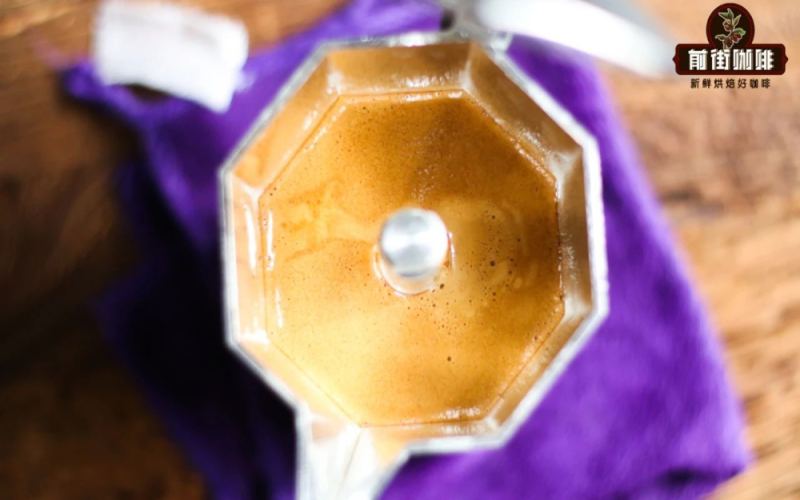
With its simple operation and rich output, the moka pot has become the top choice for many coffee enthusiasts just getting started. This article starts from the moka pot's pressure-extraction principle, compares it with espresso machines, explains in detail the suitable dark-roast espresso blend bean choices, and fully presents five everyday beans recommended by Front Street Coffee, along with moka pot operating steps and precautions, to help you consistently extract rich coffee with crema aromatics. [more…]
A Complete Guide to the Three Main Coffee Processing Methods: A Comparison of Natural, Washed, Honey, and Anaerobic Enzyme Processes
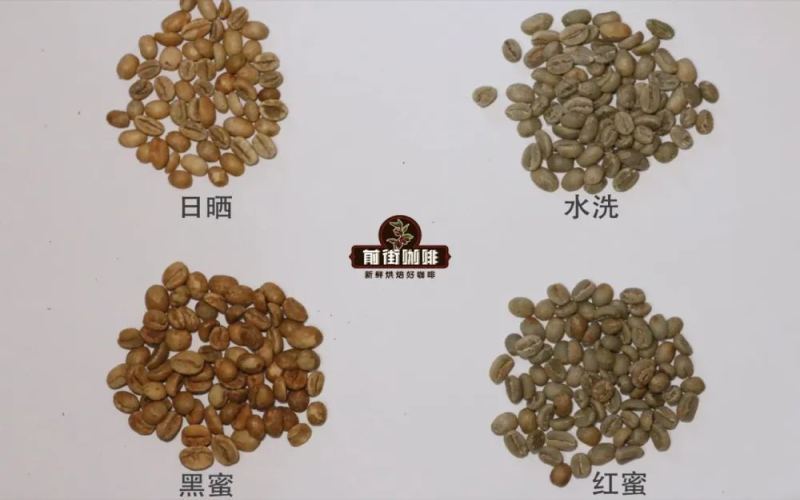
The flavor of coffee depends to a large extent on how the green beans are processed. Natural, washed, and honey processing, as the three classic methods, each present distinctly different flavor directions. In addition, enzyme processing and anaerobic fermentation have gradually entered the public eye in recent years, adding more possibilities to coffee. Front Street Coffee believes that using such fermentation techniques in moderation to create distinctive flavors is worthy of recognition, but if they are used to mask defects in the coffee beans themselves, that deviates from the original purpose of the processing method. This article will systematically sort out the specific procedures and flavor characteristics of these processing methods, and combine them with representative products on the Front Street coffee list to help coffee lovers build a clearer understanding. [more…]

A Beginner's Guide to Buying Coffee: From Packaging Information to Roast Level, Learn to Pick Your First Bag of Coffee Beans
Newcomers who have just said goodbye to instant coffee and are preparing to step into the world of specialty coffee often feel at a loss when faced with a dazzling array of coffee beans. The result of buying blindly is often a cup of hard-to-swallow brew in exchange for high expectations. In fact, choosing coffee beans is not mysterious at all. The key lies in mastering a few practical dimensions: whether the information on the packaging is clear, whether the roast date is fresh, whether the origin is clearly stated, and whether the roast level matches your own taste preferences. This article skips subjective and elusive flavor descriptions and, starting from these four angles, helps beginners build a set of actionable purchasing logic. At the same time, combined with specific Front Street Coffee products, it gives recommended options under different roast levels, so you can take fewer detours and more quickly find that cup of good coffee that truly belongs to you. [more…]

How to adjust coffee brewing water? A detailed explanation of the ratio of baking soda to magnesium sulfate and why tap water should be avoided in espresso machines
The water you use to brew coffee has a far greater impact on the final flavor than you might imagine. Tap water tends to have a high mineral content, which not only easily builds up scale on the inner walls of a coffee machine and hinders its normal operation, but also interferes with the extraction of coffee flavor. Drawing on Front Street's practical experience, this article first explains PPM and the criteria for judging soft and hard water, then explains why espresso machines should not use tap water directly, and afterward gives a hands-on demonstration of how to mix your own brewing water using baking soda and food-grade Epsom salt (magnesium sulfate), along with a brewing comparison against Nongfu Spring, for coffee lovers' reference. [more…]

Siphon vs. Moka Pot Brewing Differences Explained: Working Principles, Flavor Performance, and Front Street Coffee's Step-by-Step Practice
The moka pot and the siphon are the first-choice brewing devices for many coffee lovers trying their hand at home brewing—one uses steam pressure for rapid extraction, while the other relies on the vacuum principle to deliver a sense of ritual. What exactly are the differences between the two in terms of construction, operating procedure, and final flavor? Is the coffee brewed with a moka pot good enough to drink? And how should a siphon be operated correctly? Drawing on Front Street Coffee's hands-on experience, this article sorts out the extraction principles, usage steps, and flavor characteristics of the two devices, and offers specific parameter suggestions and tasting references to help you find the cup that suits you. [more…]
Grinder Maintenance Frequency and Cleaning Guide: How to Clean the Burrs of Manual and Electric Coffee Grinders
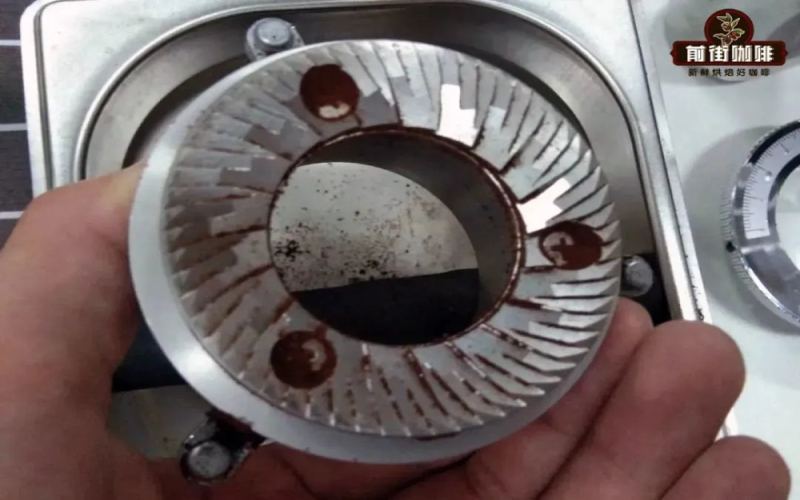
If you love brewing pour-over coffee at home, have you ever noticed that your brewed coffee tastes like it's mixed with other beans? This is very likely the work of fine powder residue left inside your grinder. Over time, static electricity causes fine powder to cling to the burrs, and the oils from dark-roasted beans build up as well. Before long, this not only affects flavor but can also clog the chute and shorten the machine's lifespan. So how exactly should you maintain your grinder? How often should you clean it? What's the difference between cleaning a hand grinder and an electric grinder? Can the burrs be washed with water? Front Street Coffee has put together a complete process, from simple daily cleaning to deep disassembly, to help you resolve all your grinder maintenance questions. [more…]
Analysis of the Principles of Enzyme Processing for Coffee Beans: A Complete Guide to the Differences Between Natural, Washed, and Honey Processes
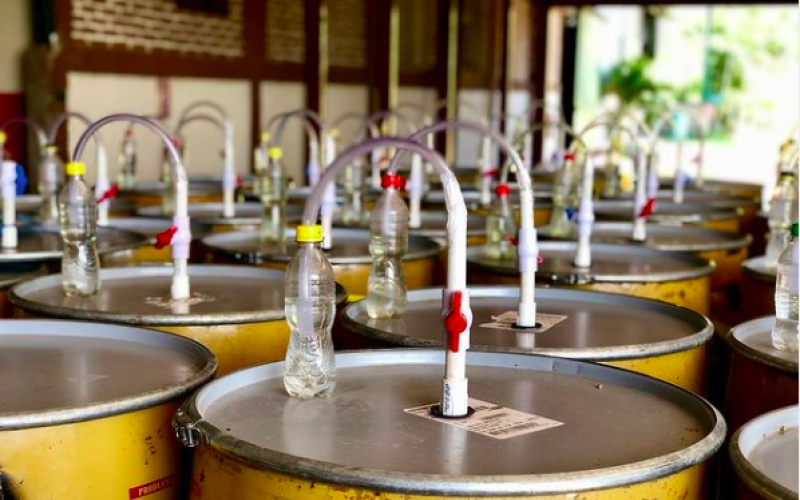
The processing method of coffee beans directly determines the flavor direction of the final cup. Washed, natural, and honey—the three classic processes—each have different fermentation paths and flavor expressions. The enzyme processing method that has emerged in recent years introduces specific microbial strains for anaerobic fermentation on the basis of washed processing, in order to create more distinctive flavors. How exactly is this processing method carried out? And what are the essential differences between it and the three traditional processing methods? This article will break down the process details of each method one by one, and combine them with a number of representative beans from Front Street Coffee to help readers build a systematic understanding of coffee processing methods. [more…]
From Grinding to Temperature Control: Systematically Master the Seven Core Elements of Stable Espresso Extraction
To consistently make a delicious Espresso at home or in a shop, relying on feel alone is far from enough—you need to understand and control several key variables. This article breaks down the hardware and operational points that affect espresso quality one by one, from grind uniformity, fixed dose, and tamping technique, to brewing pressure, water temperature, extraction yield, and machine materials. Whether you use a flat burr or conical burr grinder, a vibration pump or rotary pump, you can find practical adjustment ideas here. The article also shares Front Street Coffee's practical suggestions on equipment selection and parameter settings, helping coffee enthusiasts avoid detours and make every shot of espresso closer to the ideal state. [more…]
Origins and Historical Background of the Moka Pot: Structure, Principles, Single vs. Double Valve Differences, and Practical Brewing Key Points
The moka pot is a common piece of equipment in many coffee lovers' homes, but where does its name come from, and what is its structural principle? This article begins with the origin of the moka pot's name, sorts out its three-part construction and pressure extraction mechanism, compares the differences between single-valve and double-valve models, analyzes how it differs from standard espresso in terms of pressure and taste, and fully demonstrates Front Street's brewing process using its own roasted beans, including key details such as water temperature control, grind size selection, coffee basket handling, and heating rhythm, helping readers gain a comprehensive understanding of the key points for using this classic device. [more…]